Why Provenance Matters in Antique Coin Valuation
페이지 정보
작성자 Christoper 작성일25-11-09 00:59 조회3회 댓글0건관련링크
본문
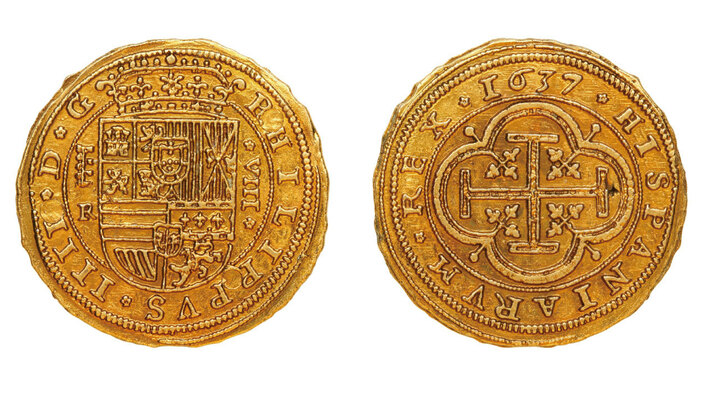
When it comes to antique coins value is not just about age or metal content. The history behind a coin—its origin, previous holders, and passage across centuries—plays a pivotal role in determining its collectible price. This history is known as documented lineage, and it matters to a degree often underestimated.
A coin with well-documented provenance can command dramatically elevated values than one that is visually indistinguishable but is shrouded in uncertainty.
Documented history ensures genuineness. In a market where fraudulent pieces proliferate, having a documentation trail that traces a coin back to a reputable dealer or notable hoard offers assurance that the piece is authentic. This is critically essential for scarce specimens, where even minor doubts can drastically reduce interest. A coin linked to a legendary collector or part of a well-known collection gains not just authority but also a legacy that collectors find unforgettable.
Beyond authenticity, アンティーク コイン provenance adds depth. Knowing that a coin was produced in a pivotal historical era, discovered in a particular archaeological site, or transferred within a family lineage gives it cultural and historical significance. This context elevates the coin from a basic relic to a physical embodiment of heritage. Collectors are often ready to invest more for pieces that carry emotional weight, not just those that have high aesthetic appeal.
Clear records enhance trading potential. Coins with documented histories are easier to sell because buyers feel assured of authenticity. Reputable sellers prefer items with clear records because they reduce risk and attract serious buyers. A coin that has appeared in multiple reputable catalogs or has been endorsed by a renowned expert carries enhanced market authority.
Even if a coin is in poor condition, strong provenance can preserve or even enhance its value. A faded bronze sestertius from ancient Rome, for example, might not be impressive to the eye, but if it was part of the collection of a 19th-century European scholar, its historical importance can render its wear irrelevant.
In short, provenance transforms an antique coin from a mere object into a piece of living history. It answers the core inquiries of authenticity and context that no single element can. For numismatists and wealth stewards, paying attention to provenance isn’t just a smart habit—it’s fundamental to understanding authentic collectible potential.
댓글목록
등록된 댓글이 없습니다.