Coinage as a Mirror of National Identity
페이지 정보
작성자 Eartha 작성일25-11-09 00:51 조회3회 댓글0건관련링크
본문
How a country designs its currency tells a deeper story than mere currency. Currency serves more than economic functions; they are compact, lasting emblems of a country’s values, history, and aspirations. Since antiquity through today, governments have used coinage to convey national character to domestic and global audiences. The designs, texts, and metals selected for currency often reflect what a society considers vital and proud.
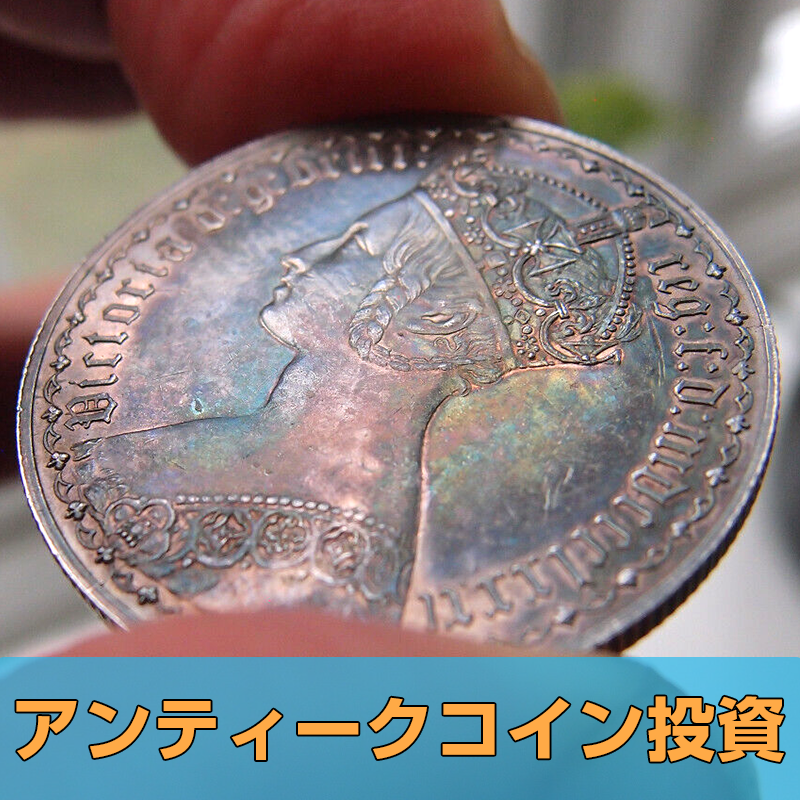
In early civilizations, rulers placed their portraits on coins to assert authority and アンティーク コイン divine right. As nations evolved, so did the symbolism. Others highlighted revolutionary figures, iconic sites, or native fauna to underscore regional distinctiveness. It could depict a pivotal war, a folk costume, or a plant endemic to the land. Every design decision is intentional—they are meant to remind people of where they come from and what unites them.
Amid regime shifts, currency frequently preserves historical motifs, creating a bridge between eras. A post-monarchic state may retain royal imagery to preserve historical cohesion—or a liberated country could swap foreign insignia for local heritage to restore cultural pride. In this way, coinage becomes a silent witness to transformation.
The text on currency influences national perception. The use of a national language, even in minority regions, reinforces linguistic unity. Bilingual or multilingual inscriptions signal respect for regional communities. These details affirm the value of every cultural voice.
Coin composition often mirrors a nation’s resource philosophy. A country investing in sustainable practices might choose recycled metals or reduce the use of rare resources. These decisions, though practical, carry symbolic weight.
Coins travel widely, handled by people from all walks of life. They touch people in markets, in pockets, in piggy banks. In this way, national identity becomes part of everyday life. Where statues are observed, coins are handled. They communicate identity passively, without fanfare.
As cashless transactions rise, physical currency appears obsolete. Yet they remain powerful. Their physical presence, their weight, their texture—they ground abstract ideas of nationhood in something real. As long as citizens touch them, these tiny discs will carry echoes of who we are, where we’ve been, and what we hold dear.
댓글목록
등록된 댓글이 없습니다.