Understanding Coin Fineness and Its Impact on Value
페이지 정보
작성자 Kirk 작성일25-11-09 00:43 조회3회 댓글0건관련링크
본문
Coin fineness refers to the proportion of valuable metal contained within a coin, typically indicated by a numeric hallmark. For instance, a coin with a fineness of 999 is 99.9 percent pure silver or gold, meaning only a fraction of one percent of its total weight consists of base metals. While fineness is not the same as karat—a system primarily applied for gold adornments—the underlying principle remains comparable. Understanding fineness is essential because it determines a coin’s intrinsic value, collectibility, and market demand.
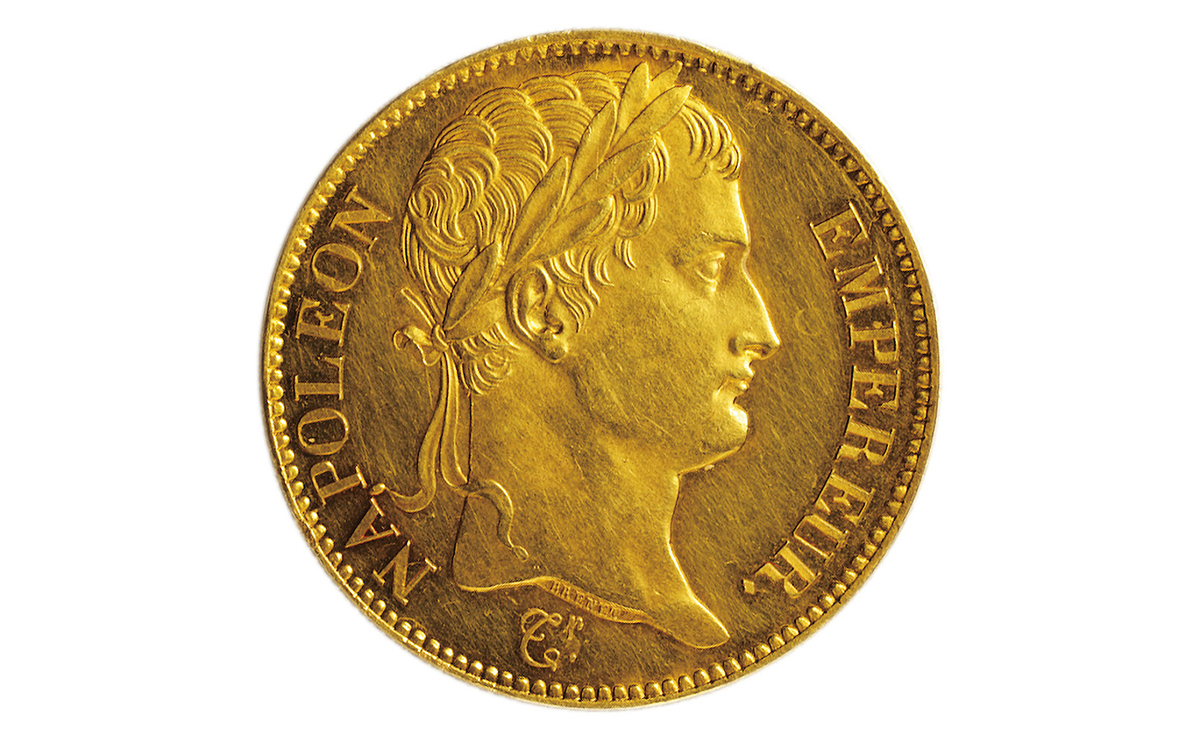
In past eras, national mints have modified coin fineness for strategic purposes. During periods of economic hardship, they might lower the gold or silver proportion in coins to conserve resources. This procedure, known as debasement, reduces the coin’s bullion worth even when its legal tender amount remains unaffected. On the flip side, when a nation seeks to strengthen trust in its currency or capture market interest, it may release coins with ultra-high standards, such as four-nines fine bullion.
For investors, fineness serves as a primary factor アンティークコイン投資 in determining a coin’s price potential. A coin with increased metal content generally possesses superior metal worth because it contains a larger quantity of the precious commodity. Even when two coins share the equal size and obverse-reverse pattern, the one with higher metal standard will often realize a higher price. This is most evident for metal-backed currency, which are acquired mainly for their intrinsic bullion value rather than their collector desirability.
However, fineness is only one of several determining factor. Limited mintage, condition, historical significance, and investment trends also play major roles a coin’s market price. A coin with low fineness from a obscure issue in mint state might be command a higher price a high fineness coin that was widely circulated. Even so, fineness provides a foundational baseline for appraisal. When purchasing or trading coins, it is critical to verify fineness through reputable sources to guard against misrepresentation.
Modern coins frequently feature assay stamps that specify their fineness, such as 999 for fine bullion. These identifiers enable buyers to instantly evaluate quality without expert consultation. For older coins, precise identification of fineness often requires professional appraisal due to absence of markings.
In summary, coin fineness is a fundamental measure of precious content that directly shapes a coin’s value. Regardless of whether you’re purchasing gold and silver, curating rare coins, or simply wondering about your pocket change, recognizing metal standards empowers you to make informed decisions and recognize the worth beyond printed price.
댓글목록
등록된 댓글이 없습니다.