The Evolution of Coin Weight Standards Across Centuries
페이지 정보
작성자 Zoe 작성일25-11-08 23:32 조회3회 댓글0건관련링크
본문
Coin valuation and weight standards have undergone profound transformations across time reflecting shifts in economic practices, technological advances, state control, and financial philosophy. In ancient times, coins were often valued by their weight in precious metals like gold or silver. Early civilizations such as the Lydians and later the Greeks and Romans minted coins with uniform mass to guarantee commercial reliability. A silver drachma in ancient Greece, for example, was expected to weigh approximately 4.3 grams, and merchants would verify this through tactile estimation and rudimentary scales.
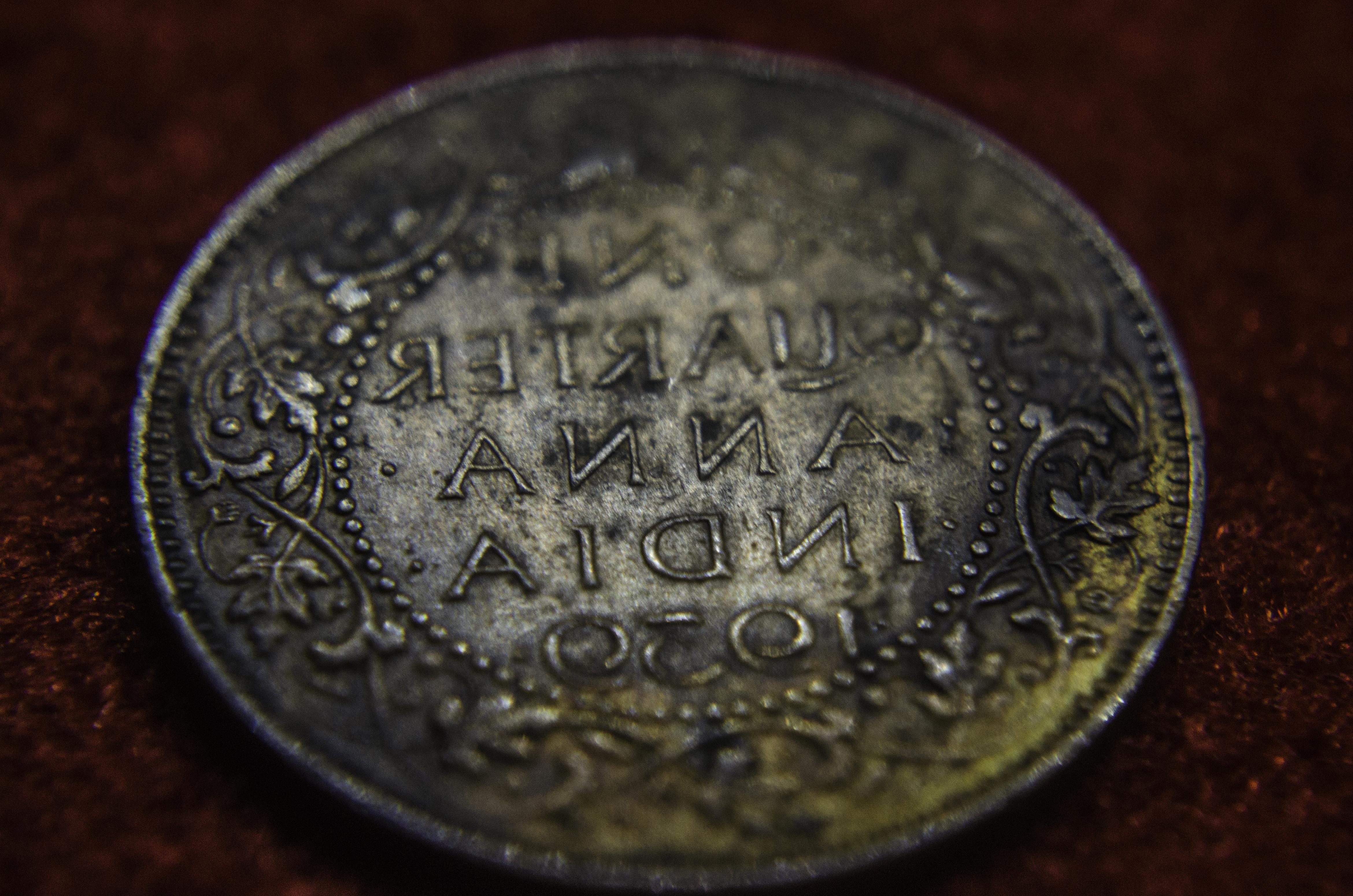
As empires expanded and trade routes grew longer, the need for consistent coinage standards became essential. The Roman denarius maintained a stable weight for centuries, but as the empire faced economic pressure, emperors began to lowering purity while preserving visual consistency. This debasement led to inflation and a loss of public confidence, showing that weight standards were not just functional tools with deep cultural meaning.
During the Middle Ages, coinage became more diverse as feudal lords created localized coinage. Weights varied drastically between regions, making cross-border transactions unreliable. Merchants often carried compact weighing tools and known benchmarks to verify the coins they received. The lack of uniformity hindered commercial expansion and promoted alternative exchange systems in many regions.
The rise of emerging nation-states in the 15th to 17th centuries brought renewed efforts to standardize coin weights. Nations like the Tudor and Bourbon monarchies established official mints with strict regulations. The British pound sterling, for instance, was defined by a fixed mass of silver, subsequently replaced by gold under the metallic monetary system. These systems brought reliability that enabled worldwide exchange during the Age of Exploration.
The 19th and 20th centuries saw the decline of metallic standards as governments moved toward state-decreed monetary units. Coins became tokens representing value rather than containing it. While many modern coins still have a standard weight for mechanical handling and public recognition, the weight no longer determines their monetary value. Instead, it serves engineering requirements for transactional devices and mass processing.
Today, coin weights are rigorously regulated to ensure uniformity and アンティークコイン security, but they are no longer dependent on the bullion they contain. The evolution of coin weight standards tells a story of human innovation, economic necessity, and the transition from intrinsic value to trust-based systems. What began as a simple measure of metal has become a subtle, unseen pillar of modern commerce.
댓글목록
등록된 댓글이 없습니다.