The Art of Bespoke Furniture: Crafting Unique Spaces Through Custom De…
페이지 정보
작성자 Janice Edgar 작성일25-10-18 14:48 조회8회 댓글0건관련링크
본문
Bespoke furniture represents the pinnacle of personalized design, where craftsmanship meets individuality to create pieces that are not only functional but also deeply expressive of the owner's identity and lifestyle. Unlike mass-produced furniture, bespoke pieces are tailored to the specific needs, preferences, and spatial requirements of the client, resulting in one-of-a-kind creations that transcend trends and time. This article explores the theoretical underpinnings of bespoke furniture, examining its historical roots, the design process, the role of craftsmanship, and its impact on contemporary interior design.
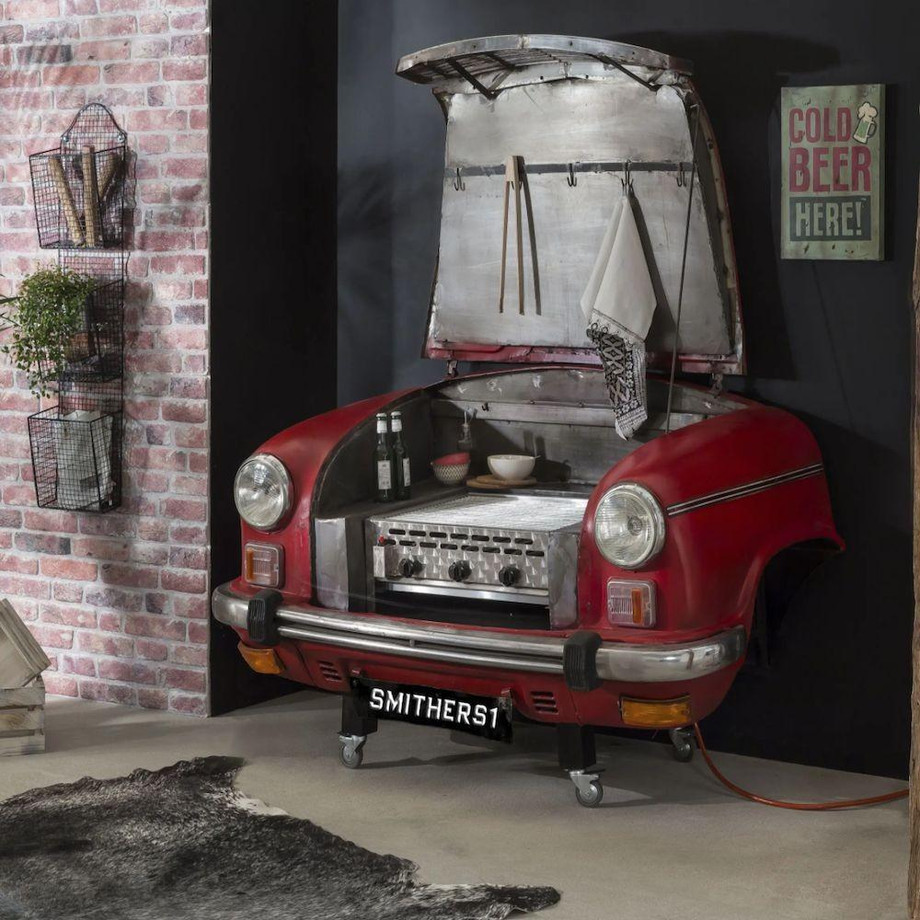
Historical Roots of Bespoke Furniture
The concept of bespoke furniture dates back centuries, modern bespoke furniture London rooted in the traditions of artisanal craftsmanship. During the medieval and Renaissance periods, furniture was often commissioned by the elite, who sought pieces that reflected their status and taste. Master craftsmen, skilled in woodworking, metalwork, and upholstery, created furniture that was not only functional but also works of art. The Industrial Revolution marked a shift toward mass production, but bespoke furniture persisted as a symbol of luxury and exclusivity, particularly among the aristocracy and the wealthy.
In the 20th century, the Arts and Crafts movement and the Bauhaus school revived interest in bespoke design, emphasizing the importance of craftsmanship, simplicity, and functionality. Today, bespoke furniture continues to thrive, driven by a growing appreciation for individuality, sustainability, and the desire to create meaningful spaces in an increasingly homogenized world.
The Design Process: Collaboration and Customization
At the heart of bespoke furniture is a collaborative design process that involves close interaction between the client, designer, and craftsman. This process begins with an in-depth consultation, where the client's needs, preferences, and lifestyle are thoroughly understood. The designer then translates these insights into conceptual sketches, considering factors such as space, materials, and aesthetics. This iterative process allows for adjustments and refinements, ensuring that the final design aligns perfectly with the client's vision.
Customization is a key aspect of bespoke furniture, enabling the creation of pieces that are uniquely suited to their intended environment. Whether it's a dining table that accommodates a large family, a bookshelf that fits into an awkward corner, or a sofa that complements a specific color scheme, bespoke furniture is designed to enhance both the functionality and beauty of a space. The use of advanced technologies, such as 3D modeling and CNC machining, has further expanded the possibilities of customization, allowing for intricate designs and precise execution.
The Role of Craftsmanship
Craftsmanship is the cornerstone of bespoke furniture, embodying the skill, dedication, and artistry of the maker. Unlike mass-produced furniture, which relies on standardized processes and materials, bespoke pieces are crafted by hand, often using traditional techniques that have been passed down through generations. This attention to detail and commitment to quality result in furniture that is not only durable but also imbued with a sense of authenticity and soul.
The choice of materials is another critical aspect of bespoke furniture, with designers and craftsmen selecting high-quality, sustainable materials that enhance the aesthetic and functional qualities of the piece. From solid hardwoods and exotic veneers to premium metals and fabrics, the materials used in bespoke furniture are chosen for their beauty, durability, and environmental impact. This focus on sustainability aligns with the growing demand for eco-friendly design, making bespoke furniture a responsible choice for the environmentally conscious consumer.
Bespoke Furniture in Contemporary Interior Design
In contemporary interior design, bespoke furniture plays a vital role in creating spaces that are both personal and cohesive. As homes and workplaces become increasingly tailored to individual needs, bespoke furniture offers a way to achieve a level of customization that is impossible with off-the-shelf pieces. Whether it's a minimalist apartment, a traditional country house, or a modern bespoke furniture London office, bespoke furniture can be designed to harmonize with the architectural style and décor of the space, creating a seamless and integrated environment.
Moreover, bespoke furniture allows for the incorporation of personal narratives and cultural influences, making it a powerful tool for self-expression. For example, a client might commission a piece that reflects their heritage, incorporates family heirlooms, or tells a story through its design. This emotional connection to the furniture enhances its value, transforming it from a mere object into a cherished part of the client's life.
Challenges and Opportunities in Bespoke Furniture
Despite its many advantages, bespoke furniture is not without its challenges. The cost and time involved in creating custom pieces can be prohibitive for some clients, and the process requires a high level of trust and communication between all parties. Additionally, the demand for bespoke furniture has led to an increase in the number of designers and craftsmen offering these services, making it essential for clients to choose reputable professionals who can deliver on their promises.
However, these challenges also present opportunities for innovation and growth in the bespoke furniture industry. Advances in technology, such as digital design tools and automated manufacturing processes, are making bespoke furniture more accessible and affordable. At the same time, there is a growing recognition of the value of craftsmanship and individuality, driving demand for bespoke pieces that stand out in a world of mass production.
Conclusion
Bespoke furniture is more than just a product; it is a testament to the enduring power of craftsmanship, creativity, and personalization. By combining traditional techniques with modern innovation, bespoke furniture offers a unique way to create spaces that are not only functional but also deeply meaningful. As we continue to seek ways to express our individuality and connect with our surroundings, bespoke furniture will remain a vital and vibrant part of interior design, shaping the way we live, work, and interact with the world around us.
댓글목록
등록된 댓글이 없습니다.