The Art of Bespoke Furniture: A Study of Craftsmanship, Individuality,…
페이지 정보
작성자 Nelly 작성일25-10-18 13:22 조회8회 댓글0건관련링크
본문
Introduction
Bespoke furniture, a term synonymous with customization and exclusivity, represents a unique segment within the broader furniture industry. This observational research article delves into the world of bespoke furniture, exploring its characteristics, the craftsmanship involved, and its appeal to consumers. By examining various aspects of bespoke furniture, including design, materials, and sustainability, this study aims to provide a comprehensive understanding of this niche market.
The Essence of Bespoke Furniture
Bespoke furniture is defined by its tailor-made nature, where each piece is crafted to meet the specific requirements and preferences of the client. Unlike mass-produced furniture, luxurybespoke furniture London bespoke pieces are one-of-a-kind, reflecting the individuality and personality of the owner. This level of customization extends beyond mere aesthetics, encompassing functionality, ergonomics, and spatial considerations.
The process of creating bespoke furniture typically involves close collaboration between the client, designer, and craftsman. This collaborative approach ensures that the final product not only meets but exceeds the client's expectations. The result is a piece of furniture that is not only beautiful but also highly functional, reflecting a deep understanding of the client's needs and lifestyle.
Craftsmanship and Skill
At the heart of bespoke furniture lies exceptional craftsmanship. Skilled artisans, often with years of experience, employ traditional techniques and modern tools to bring designs to life. The attention to detail, precision, and quality of materials used in bespoke furniture are unparalleled, ensuring that each piece is not only aesthetically pleasing but also built to last.
The craftsmanship involved in bespoke furniture is a testament to the artisan's skill and dedication. From selecting the finest materials to meticulously crafting each joint and curve, every step of the process is executed with care and precision. This level of craftsmanship not only enhances the beauty of the furniture but also contributes to its longevity, making bespoke pieces heirlooms that can be passed down through generations.
Design and Individuality
Bespoke furniture offers clients the opportunity to express their individuality through design. Whether it's a unique shape, an unusual material, or a specific finish, bespoke pieces allow clients to create furniture that reflects their personal style and taste. This level of customization extends to every aspect of the design, from the overall form to the smallest details.
The design process for bespoke furniture is highly collaborative, with clients working closely with designers to bring their vision to life. This collaboration often results in innovative and unexpected designs, pushing the boundaries of what is possible in furniture making. The result is a piece of furniture that is not only unique but also deeply personal, luxury bespoke furniture London reflecting the client's personality and lifestyle.
Materials and Sustainability
The choice of materials is a critical aspect of bespoke furniture, with artisans often selecting high-quality, sustainable materials to create their pieces. From reclaimed wood to eco-friendly finishes, bespoke furniture makers are increasingly conscious of the environmental impact of their work. This commitment to sustainability not only reduces the environmental footprint of furniture production but also ensures that bespoke pieces are made to last, reducing the need for frequent replacements.
The use of sustainable materials in bespoke furniture is not only an ethical choice but also a practical one. Many sustainable materials, such as reclaimed wood, offer unique textures and patterns that cannot be replicated with mass-produced materials. This adds to the individuality and character of bespoke pieces, making them even more desirable.
The Appeal of Bespoke Furniture
The appeal of bespoke furniture lies in its exclusivity, quality, and individuality. For clients, owning a bespoke piece is not just about acquiring a functional item but also about making a statement. Bespoke furniture represents a level of sophistication and refinement that is difficult to achieve with mass-produced pieces.
Furthermore, bespoke furniture offers a level of customization that is simply not possible with off-the-shelf products. Clients can specify every aspect of the design, from the materials used to the finish and detailing. This level of control ensures that the final product is perfectly suited to the client's needs and preferences.
The Bespoke Furniture Market
The bespoke furniture market is a niche segment, catering to clients who value quality, craftsmanship, and individuality. While the market is relatively small compared to the mass-produced furniture industry, it is growing, driven by increasing demand for unique, high-quality pieces.
The rise of digital platforms and social media has also played a significant role in the growth of the bespoke furniture market. These platforms have made it easier for clients to discover and connect with bespoke furniture makers, expanding the reach of this niche market.
Challenges and Opportunities
Despite its many advantages, the bespoke furniture market faces several challenges. The high cost of bespoke pieces, coupled with longer lead times, can be prohibitive for some clients. Additionally, the lack of standardization in bespoke furniture production can make it difficult for clients to compare prices and quality across different makers.
However, these challenges also present opportunities for innovation and growth. Advances in technology, such as 3D printing and digital design tools, are making it easier for bespoke furniture makers to create complex designs and streamline production processes. Furthermore, the growing demand for sustainable and eco-friendly products is driving innovation in materials and production methods, positioning bespoke furniture makers as leaders in the field of sustainable design.
Case Studies
To illustrate the principles and practices of bespoke furniture, this section presents two case studies of renowned bespoke furniture makers.
Case Study 1: The Joinery
The Joinery, a bespoke furniture studio based in Portland, Oregon, is known for its commitment to sustainability and craftsmanship. Founded in 1982, the studio specializes in creating custom furniture using locally sourced, reclaimed wood. The Joinery's designs are characterized by their simplicity, elegance, and attention to detail, reflecting the studio's philosophy of creating furniture that is both beautiful and functional.
One notable project by The Joinery is the restoration of a historic home in Portland. The studio was commissioned to create a series of bespoke furniture pieces, including a dining table, chairs, and a sideboard, to complement the home's original architecture. The result was a stunning collection of furniture that not only respected the home's history but also added a contemporary touch, showcasing the studio's ability to blend traditional craftsmanship with modern design.
Case Study 2: Benchmark Furniture
Benchmark Furniture, a bespoke furniture maker based in the UK, is renowned for its innovative designs and commitment to sustainability. Founded in 1983, the company has built a reputation for creating high-quality, bespoke furniture using traditional techniques and modern materials.
One of Benchmark's most notable projects is the creation of a bespoke kitchen for a private residence in London. The kitchen features a unique combination of materials, including reclaimed wood, stainless steel, and concrete, resulting in a space that is both functional and visually stunning. The project showcases Benchmark's ability to push the boundaries of design, creating furniture that is not only beautiful but also highly practical.
Conclusion
Bespoke furniture represents a unique segment within the broader furniture industry, offering clients the opportunity to create one-of-a-kind pieces that reflect their individuality and personality. The craftsmanship, design, and sustainability involved in bespoke furniture make it a highly desirable option for clients who value quality and exclusivity.
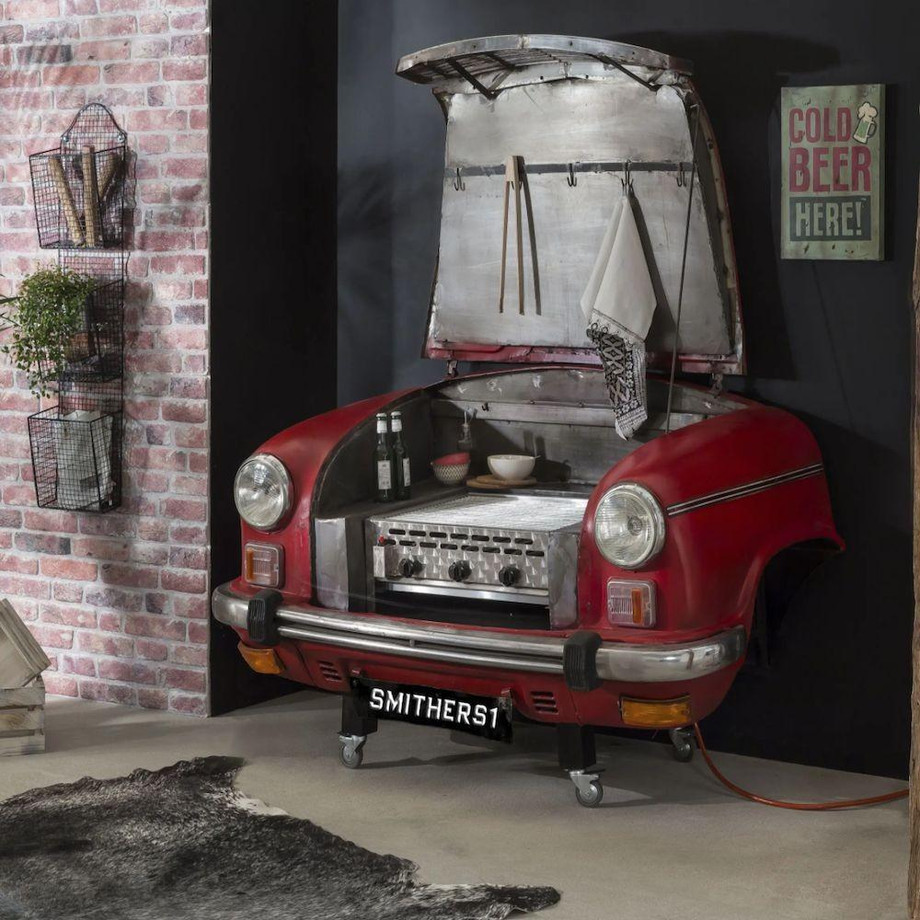
As the bespoke furniture market continues to grow, driven by increasing demand for unique, high-quality pieces, it is likely that we will see here now further innovation and experimentation in design, materials, and production methods. The future of bespoke furniture looks bright, with opportunities for growth and expansion in both established and emerging markets.
In conclusion, bespoke furniture is more than just a functional item; it is a work of art, a reflection of the client's personality, and a testament to the skill and craftsmanship of the artisan. As such, it will continue to play a significant role in the world of design, offering clients a level of customization, quality, and individuality that is simply unparalleled.
댓글목록
등록된 댓글이 없습니다.