The Art of Bespoke Furniture: Crafting Unique Spaces Through Custom De…
페이지 정보
작성자 Ronda 작성일25-10-18 09:34 조회9회 댓글0건관련링크
본문
Bespoke furniture stands as a testament to the marriage of artistry, functionality, and individuality in interior design. Unlike mass-produced pieces, bespoke furniture is crafted to meet the specific needs, preferences, and spatial requirements of the client, resulting in one-of-a-kind creations that elevate living and working environments. This article delves into the theoretical underpinnings of bespoke furniture, exploring its historical roots, design principles, psychological impact, and its role in contemporary interiors. By examining the interplay between craftsmanship, personalization, and spatial harmony, we uncover why bespoke furniture remains a cornerstone of timeless and meaningful design.
Historical Roots of Bespoke Furniture
The tradition of bespoke furniture dates back centuries, rooted in the guilds of medieval Europe where master craftsmen created custom pieces for the elite. During the Renaissance, furniture became a canvas for artistic expression, with intricate carvings, gilded details, and innovative joinery techniques. The Industrial Revolution, however, shifted the focus toward mass production, relegating bespoke craftsmanship to a niche practice. Yet, the Arts and Crafts movement of the late 19th century revived the appreciation for handmade bespoke furniture London, personalized furniture, emphasizing quality over quantity. Today, bespoke furniture continues to draw inspiration from these historical traditions while incorporating modern materials and technologies.
Design Principles of Bespoke Furniture
At the heart of bespoke furniture lies a commitment to tailoring design to the individual. This process begins with a deep understanding of the client's lifestyle, aesthetic preferences, and functional needs. Unlike off-the-shelf pieces, bespoke furniture is designed to fit seamlessly into a specific space, optimizing both form and function. Key principles include:
- Proportion and Scale: Bespoke furniture is meticulously designed to harmonize with the dimensions of the room, ensuring that each piece neither overwhelms nor underwhelms the space.
- Materiality: The choice of materials is guided by the client's preferences and the intended use of the piece. Whether it's the warmth of solid wood, the elegance of marble, or the modernity of metal, materials are selected to enhance both aesthetics and durability.
- Ergonomics: Custom furniture is tailored to the user's body and habits, ensuring comfort and usability. This is particularly evident in pieces like chairs, desks, and beds, where ergonomics play a critical role.
- Aesthetic Cohesion: Bespoke furniture is often designed to complement the overall style of the interior, whether it's minimalist, traditional, or eclectic. This ensures a cohesive and harmonious visual narrative.
The Psychological Impact of Bespoke Furniture
Bespoke furniture transcends mere functionality; it has a profound psychological impact on the individuals who inhabit the space. Studies in environmental psychology suggest that personalized environments foster a sense of belonging and identity. When surrounded by furniture that reflects their tastes and values, individuals often experience increased satisfaction and emotional connection to their surroundings. Moreover, bespoke pieces can evoke a sense of pride and exclusivity, as they are unique to the owner. This emotional resonance contributes to a more fulfilling and meaningful living experience.
Bespoke Furniture in Contemporary Interiors
In today's fast-paced, mass-produced world, bespoke furniture offers a counterpoint to uniformity. It allows individuals to assert their individuality and create spaces that are truly their own. Contemporary designers are increasingly embracing bespoke furniture as a means of addressing the limitations of ready-made pieces, particularly in unconventional or challenging spaces. For example, bespoke solutions are ideal for small urban apartments, where every inch of space must be maximized, or for historic buildings with irregular layouts.
Furthermore, bespoke furniture aligns with the growing trend of sustainable design. By prioritizing quality craftsmanship and durable materials, bespoke pieces are often built to last, reducing the need for frequent replacements. Clients can also choose eco-friendly materials and finishes, contributing to a more sustainable approach to interior design.
The Collaborative Process of Bespoke Furniture
Creating bespoke furniture is a collaborative endeavor that involves the client, designer, and craftsman. The process typically begins with a consultation, where the client's vision and requirements are discussed in detail. Sketches and digital renderings are then produced to visualize the design, allowing for adjustments before production begins. Once approved, skilled artisans bring the design to life, often using a combination of traditional techniques and modern tools. This collaborative approach ensures that the final piece not only meets but exceeds the client's expectations.
Challenges and Considerations
While bespoke furniture offers unparalleled advantages, it is not without its challenges. The process can be time-consuming, requiring patience and flexibility from the client. Additionally, bespoke pieces often come with a higher price tag compared to mass-produced alternatives, reflecting the labor-intensive nature of custom craftsmanship. However, many clients view this investment as a long-term value, given the durability, uniqueness, and emotional significance of bespoke furniture.
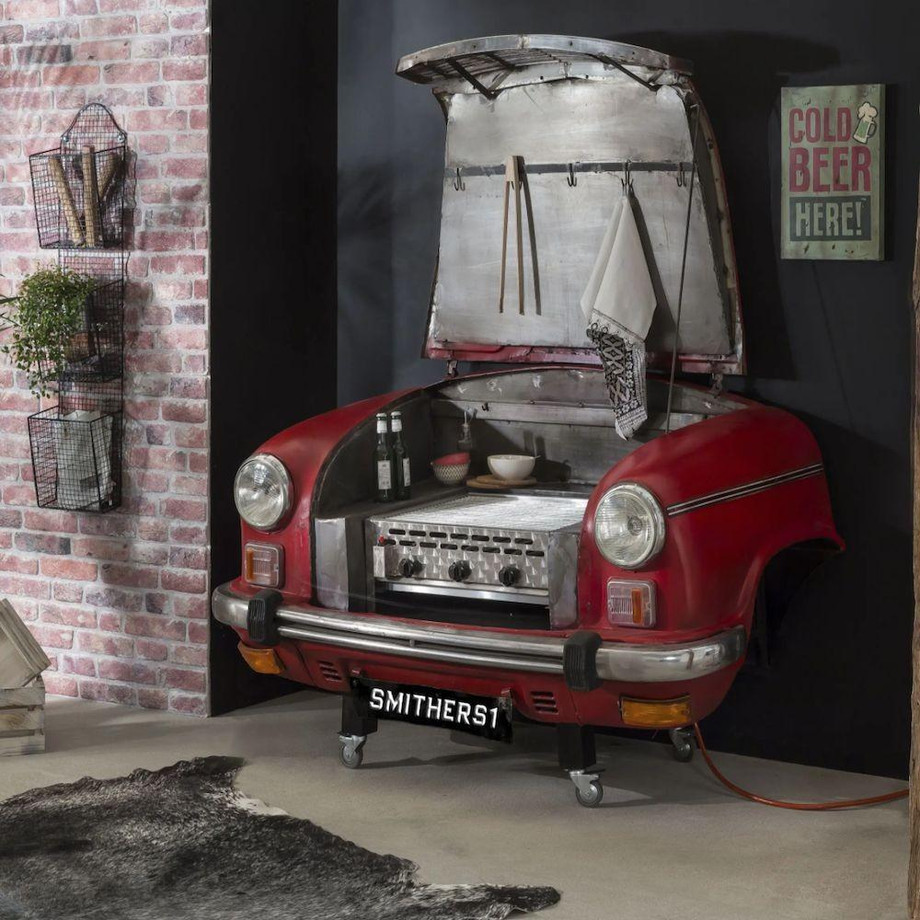
The Future of Bespoke Furniture
As technology continues to evolve, the future of bespoke furniture looks promising. Advances in 3D printing, CNC machining, and digital design tools are making custom furniture more accessible and efficient to produce. Virtual reality (VR) and augmented reality (AR) are also transforming the way clients visualize and interact with bespoke designs, enhancing the collaborative process. Despite these technological advancements, the essence of bespoke furniture—its emphasis on craftsmanship, personalization, and quality—remains unchanged.
Conclusion
Bespoke furniture is more than just a functional element of interior design; it is a reflection of identity, a celebration of craftsmanship, and a commitment to creating spaces that resonate on a personal level. By blending historical traditions with contemporary innovation, bespoke furniture continues to redefine the boundaries of design, offering solutions that are as unique as the individuals who commission them. In a world increasingly dominated by mass production, bespoke furniture stands as a testament to the enduring value of individuality and artistry in shaping our living environments.
댓글목록
등록된 댓글이 없습니다.