The Art of Bespoke Furniture: Crafting Unique Pieces for Individual Ta…
페이지 정보
작성자 Wilhelmina 작성일25-10-18 07:54 조회7회 댓글0건관련링크
본문
Bespoke furniture represents the pinnacle of personalization and craftsmanship in the world of interior design. Unlike mass-produced items, bespoke pieces are meticulously crafted to meet the specific needs, preferences, and lifestyles of their owners. This article delves into the essence of bespoke furniture, its history, the process of creating it, its benefits, and its enduring appeal in contemporary design.
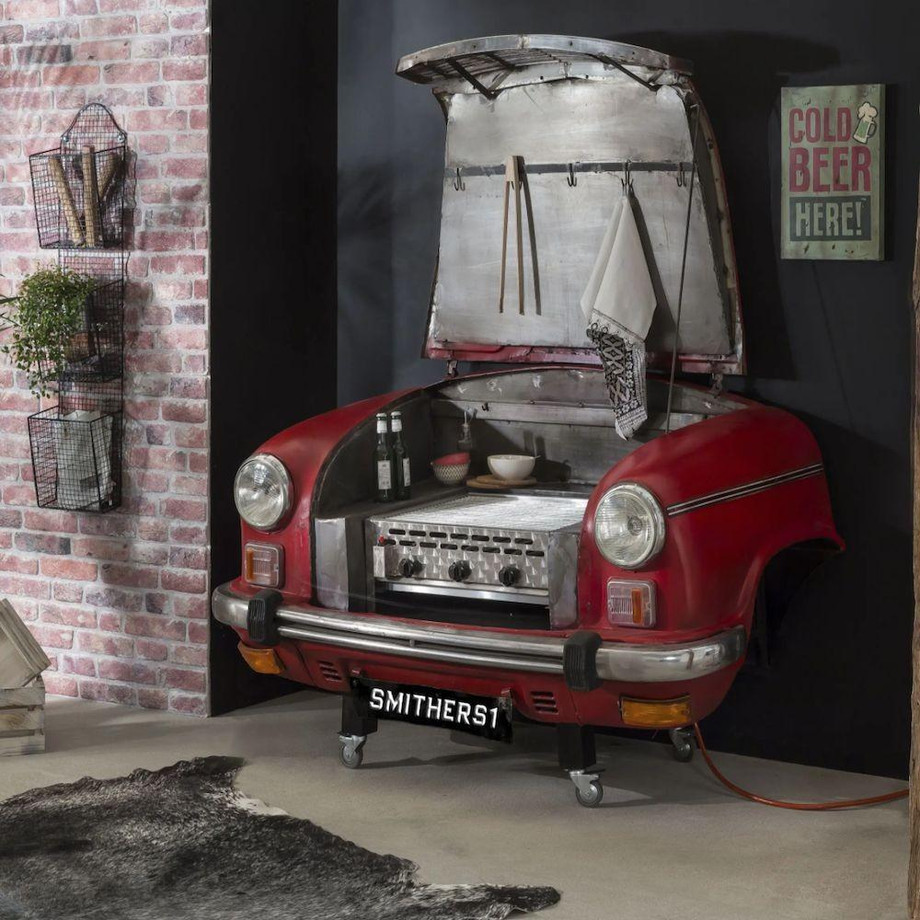
A Brief History of Bespoke Furniture
The tradition of bespoke furniture dates back centuries, rooted in the craftsmanship of ancient civilizations. In medieval Europe, skilled artisans created custom pieces for royalty and the elite, often adorned with intricate carvings and precious materials. During the Renaissance, the demand for bespoke furniture grew as wealthy patrons sought to express their status and taste through unique, handcrafted items. The Industrial Revolution brought mass production, but bespoke furniture remained a symbol of luxury bespoke furniture London and individuality, cherished by those who valued quality over quantity.
In the 20th century, the Arts and Crafts movement revived interest in bespoke craftsmanship, emphasizing the beauty of handmade objects. Today, bespoke furniture continues to thrive, blending traditional techniques with modern technology to create pieces that are both timeless and innovative.
The Bespoke Furniture Process
Creating bespoke furniture is a collaborative and meticulous process that involves several stages, each requiring skill, creativity, and attention to detail.
- Consultation and Design: The journey begins with a consultation between the client and the designer or craftsman. During this phase, the client’s vision, lifestyle, and functional needs are discussed. The designer then translates these ideas into detailed sketches or digital renderings, ensuring that every aspect of the piece aligns with the client’s expectations.
- Material Selection: Bespoke furniture often features high-quality, sustainably sourced materials such as solid wood, metal, glass, or upholstery fabrics. The choice of materials depends on the design, durability requirements, and aesthetic preferences. Clients may opt for exotic woods, reclaimed materials, or eco-friendly options to reflect their values.
- Craftsmanship: Once the design and materials are approved, skilled artisans bring the piece to life. Traditional techniques such as joinery, carving, and upholstery are combined with modern tools to achieve precision and durability. Each piece is crafted with care, ensuring that every detail is perfect.
- Finishing Touches: The final stage involves finishing the furniture with techniques such as staining, polishing, or painting. Upholstered pieces are fitted with custom fabrics or leathers, and hardware such as handles or hinges is added. The result is a unique, one-of-a-kind piece that reflects the client’s personality and style.
Benefits of Bespoke Furniture
Investing in bespoke furniture offers numerous advantages that go beyond mere aesthetics.
- Personalization: Bespoke furniture is tailored to the individual, allowing clients to express their unique tastes and lifestyles. Whether it’s a custom dining table, a statement sofa, or a built-in bookshelf, every piece is designed to fit seamlessly into the client’s space and life.
- Quality and Durability: Handcrafted by skilled artisans, bespoke furniture is built to last. The use of high-quality materials and meticulous craftsmanship ensures that these pieces withstand the test of time, often becoming family heirlooms.
- Sustainability: Many bespoke furniture makers prioritize sustainability, using locally sourced or reclaimed materials and eco-friendly finishes. This approach reduces the environmental impact and supports ethical practices.
- Space Optimization: Bespoke furniture is designed to maximize space, making it ideal for unconventional or compact areas. Custom-built pieces can fit into awkward corners, under staircases, or along sloping walls, providing both functionality and style.
- Emotional Value: Owning bespoke furniture creates a deep emotional connection. Knowing that a piece was crafted specifically for you adds a layer of meaning and satisfaction that mass-produced items cannot replicate.
Bespoke Furniture in Contemporary Design
In today’s fast-paced, mass-produced world, bespoke furniture stands out as a testament to individuality and craftsmanship. It has become a cornerstone of contemporary interior design, embraced by homeowners, designers, and architects alike.
- Minimalism and Functionality: Modern bespoke furniture often reflects minimalist aesthetics, focusing on clean lines, simplicity, and functionality. Pieces are designed to be both beautiful and practical, catering to the needs of modern living.
- Technology Integration: Advances in technology have expanded the possibilities of bespoke furniture. Designers now use 3D modeling and CNC machining to create complex shapes and patterns, while smart features such as built-in charging stations or adjustable lighting enhance functionality.
- Cultural and Artistic Expression: Bespoke furniture provides a platform for cultural and artistic expression. Designers draw inspiration from diverse traditions, incorporating elements such as Japanese joinery, Scandinavian simplicity, or African motifs into their work.
- Luxury and Exclusivity: For those seeking luxury, bespoke furniture offers unparalleled exclusivity. Each piece is a work of art, reflecting the client’s status and discerning taste. High-end materials such as marble, brass, or exotic veneers elevate the design, creating a sense of opulence.
Challenges and Considerations
While bespoke furniture offers numerous benefits, it also comes with challenges and considerations.
- Cost: Custom-made pieces are often more expensive than mass-produced alternatives due to the labor-intensive process and high-quality materials. However, many clients view it as a worthwhile investment in quality and longevity.
- Time: Creating bespoke furniture is a time-consuming process, from design to completion. Clients must be prepared to wait several weeks or even months for their pieces to be crafted.
- Communication: Clear communication between the client and the designer is essential to ensure that the final product meets expectations. Misunderstandings can lead to delays or dissatisfaction, so it’s important to provide detailed feedback throughout the process.
- Maintenance: High-quality bespoke furniture requires proper care to maintain its beauty and functionality. Regular cleaning, polishing, and repairs are necessary to preserve the piece for years to come.
Conclusion
Bespoke furniture is more than just a piece of décor; it is a reflection of individuality, craftsmanship, and timeless elegance. From its rich history to its modern applications, bespoke furniture continues to captivate those who appreciate the art of customization. Whether you’re seeking a statement piece for your living room or a functional solution for a challenging space, bespoke furniture offers endless possibilities to create something truly unique. In a world dominated by mass production, bespoke furniture remains a cherished symbol of artistry, quality, and personal expression.
댓글목록
등록된 댓글이 없습니다.