The Art of Bespoke Furniture: A Study of Craftsmanship, Individuality,…
페이지 정보
작성자 Lukas 작성일25-10-18 07:30 조회9회 댓글0건관련링크
본문
Introduction
Bespoke furniture, a term synonymous with customization and individuality, has experienced a resurgence in recent years as consumers increasingly seek unique, high-quality pieces that reflect their personal style and values. This observational research article delves into the world of bespoke furniture, examining the craftsmanship, materials, design processes, and sustainability practices that define this niche industry. By exploring the motivations of both creators and consumers, we aim to provide a comprehensive understanding of the bespoke furniture movement and its implications for the broader furniture market.
The Craftsmanship Behind Bespoke Furniture
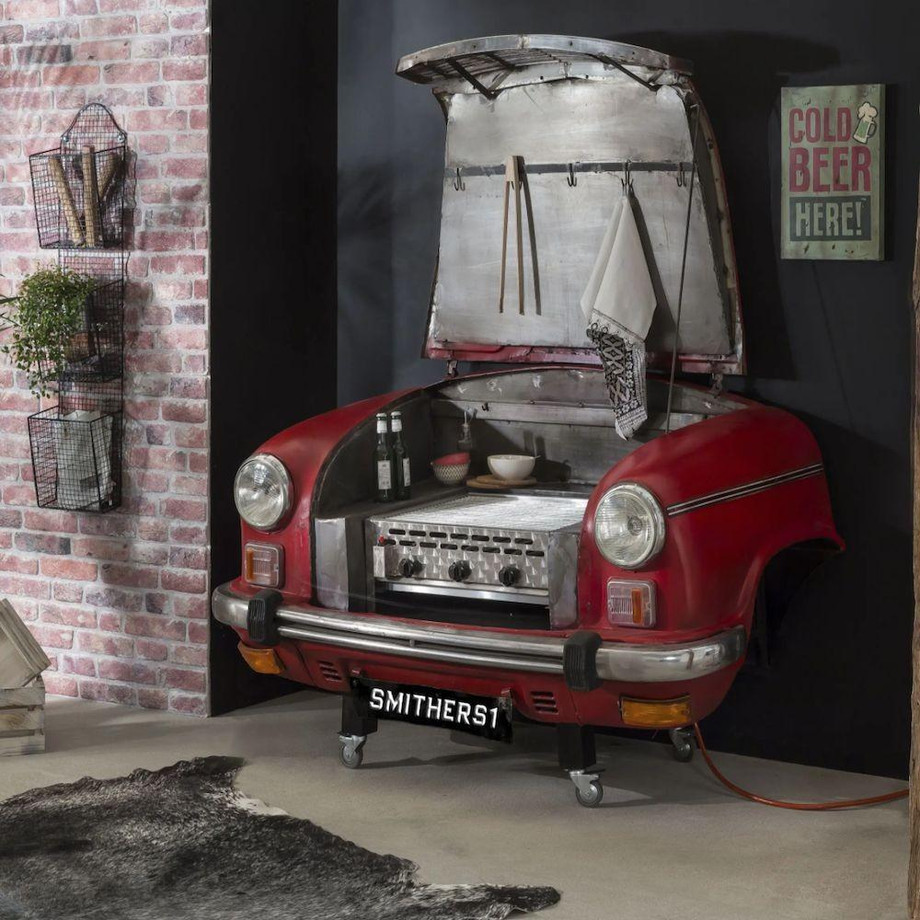
At the heart of bespoke furniture lies the skill and artistry of the craftsmen who bring these unique pieces to life. Observing the work of bespoke furniture makers reveals a deep commitment to traditional techniques, often passed down through generations. From hand-carving and joinery to upholstery and finishing, each step of the process is executed with precision and care.
Interviews with bespoke furniture makers highlight the importance of attention to detail, patience, and a willingness to experiment. Many artisans emphasize the need to balance traditional methods with modern bespoke furniture London innovations, incorporating new materials and technologies to enhance their craft. This blend of old and new not only ensures the longevity of the pieces but also allows for greater creative expression.
Materials and Sustainability
A key aspect of bespoke furniture is the use of high-quality, often locally sourced materials. Observational research reveals a strong emphasis on sustainability, with many makers prioritizing eco-friendly materials such as reclaimed wood, recycled metals, and natural fabrics. This commitment to sustainability extends beyond material selection, with artisans implementing waste reduction strategies and energy-efficient practices in their workshops.
Consumers of bespoke furniture also express a preference for sustainable options, citing concerns about the environmental impact of mass-produced furniture. The use of durable, long-lasting materials not only reduces the need for frequent replacements but also contributes to a more circular economy.
The Design Process
The design process for bespoke furniture is a collaborative endeavor, involving close communication between the maker and the client. Observations of this process reveal a highly personalized approach, with makers taking the time to understand the client's needs, preferences, and lifestyle. This often involves multiple consultations, sketches, and prototypes to ensure the final piece meets the client's expectations.
Technology plays an increasingly important role in this process, with many makers utilizing 3D modeling software to create detailed visualizations of the proposed design. However, the human touch remains essential, with artisans relying on their expertise and intuition to refine the design and bring it to life.
Consumer Motivations
To understand the appeal of bespoke furniture, we conducted interviews with consumers who have commissioned custom pieces. Common motivations include:
- Individuality: The desire for a unique piece that reflects personal style and taste.
- Quality: The expectation of superior luxurybespoke furniture London craftsmanship and materials compared to mass-produced furniture.
- Sustainability: A commitment to environmentally responsible choices.
- Sentimental Value: The creation of pieces with personal significance, often incorporating family heirlooms or meaningful materials.
- Investment: The perception of bespoke furniture as a long-term investment, both financially and emotionally.
Challenges and Opportunities
Despite its many advantages, the bespoke furniture industry faces several challenges. High costs and longer lead times can be barriers for some consumers, while the need for skilled labor and specialized materials can limit scalability. However, these challenges also present opportunities for innovation and growth.
Observational research suggests that the rise of digital platforms and social media has expanded the reach of bespoke furniture makers, allowing them to connect with a global audience. Additionally, the growing demand for sustainable and personalized products positions bespoke furniture as a viable alternative to mass-produced options.
Case Studies
To illustrate the diversity and impact of bespoke furniture, we present three case studies:
- Urban Loft Collection: A collaboration between a bespoke furniture maker and an interior designer, this collection features modular pieces designed for small urban spaces. The use of reclaimed wood and minimalist design reflects the client's commitment to sustainability and modern aesthetics.
- Heritage Dining Table: Commissioned by a family seeking to honor their ancestral roots, this dining table incorporates wood from a family-owned forest and intricate carvings inspired by traditional motifs. The piece serves as a tangible connection to their heritage.
- Eco-Friendly Nursery: A bespoke nursery set, created for environmentally conscious parents, features non-toxic finishes, organic fabrics, and a design that grows with the child. This project exemplifies the intersection of sustainability, functionality, and personalization.
Bespoke furniture represents a unique intersection of art, craftsmanship, and sustainability. Through observational research, we have gained insights into the intricate processes, motivations, and challenges that define this industry. As consumers increasingly seek personalized, high-quality, and sustainable options, bespoke furniture is poised to play a significant role in shaping the future of the furniture market.
By valuing individuality, craftsmanship, and environmental responsibility, bespoke furniture not only meets the needs of today's consumers but also contributes to a more sustainable and meaningful way of living. As this movement continues to evolve, it will be fascinating to observe how bespoke furniture makers innovate and adapt to meet the changing demands of their clients and the world at large.
댓글목록
등록된 댓글이 없습니다.