Next-Level Printing in the Age of Automation
페이지 정보
작성자 Nelle 작성일25-06-09 08:47 조회2회 댓글0건관련링크
본문
Digital printing has revolutionized the way we create and consume printed materials, from high-quality photographs and posters to personalized business cards and labels. As technology advances, the future of digital printing looks bright, with breakthroughs in technology set to drive further innovation and growth.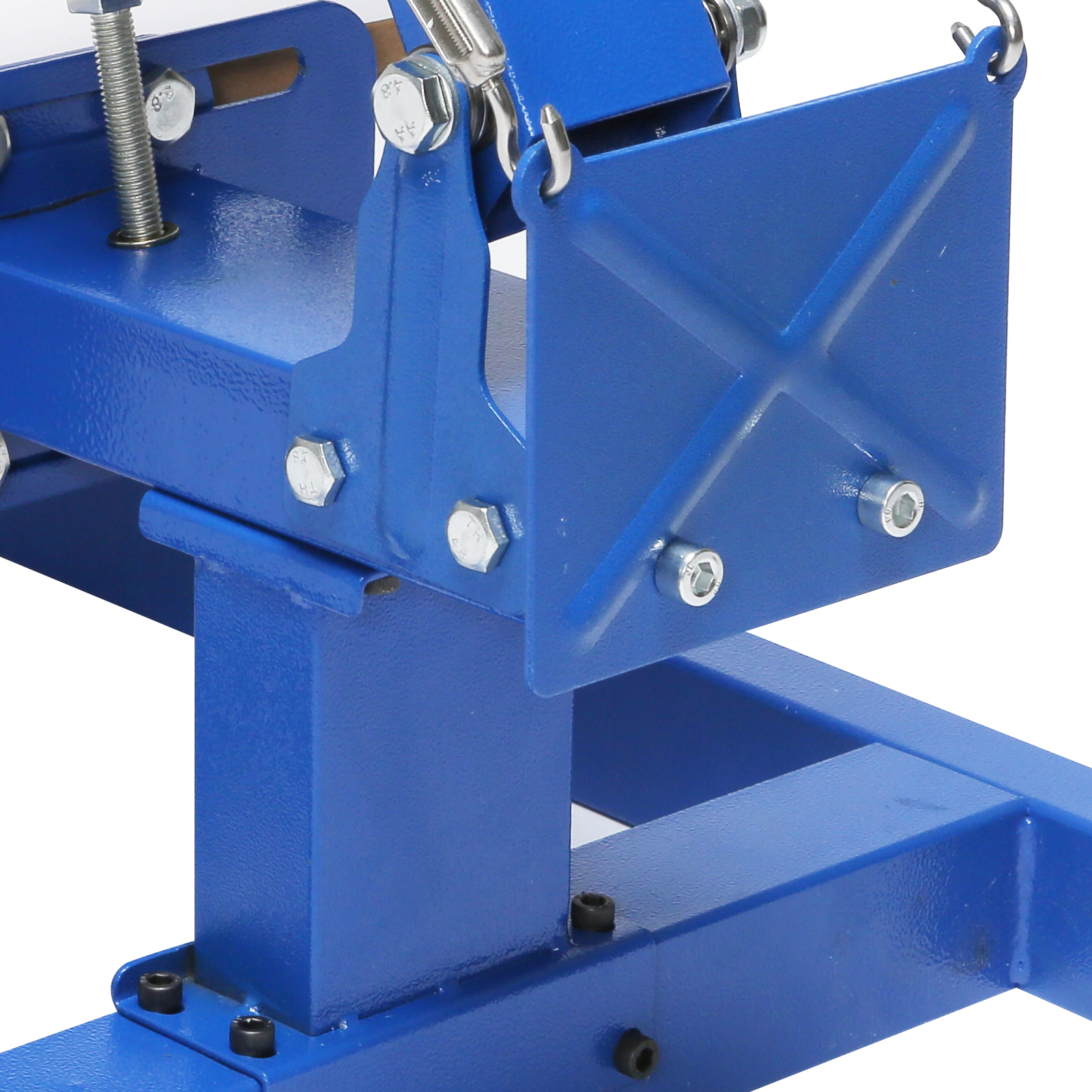
One of the key drivers of automation in digital printing is the rising expectations of consumers. As consumers become more discerning, digital printing is well-positioned to meet this demand. The use of digital printing presses, which can produce high-quality prints at a rapid rate, is becoming more widespread, allowing for optimal productivity.
Another area where automation is set to play a significant role is in the use of machine learning (ML) in digital screen printing machine. AI can analyze vast amounts of data, achieving optimal outcomes. This is particularly important in industries such as labeling, where the demand for unique and tailored solutions is high.
The integration of the Cloud Technology with digital printing is also set to transform the industry, enabling optimal resource allocation. This, in turn, will help to reduce waste.
Further advances in technology and innovation are also expected to have a significant impact on the digital printing industry. New recyclable materials and additives are being developed to improve the durability and recyclability of digital prints.
In addition to these technological advancements, the digital printing industry is also embracing sustainability as a core principle. Many manufacturers are adopting sustainable business models, including the use of carbon offsetting programs.
As the digital printing industry continues to evolve and adapt to changing market conditions and technological advancements, it is clear that innoation will drive progress. With constant technological advancements, digital printing is poised to become an even more integral part of our daily lives.
In conclusion, the future of digital printing in the age of automation is exciting and dynamic, with new opportunities and challenges set to drive growth and innovation in the years to come. As the industry continues to evolve, it will be exciting to see how digital printing adapts to meet the changing needs of users and producers, and how automation will help to drive further growth.
One of the key drivers of automation in digital printing is the rising expectations of consumers. As consumers become more discerning, digital printing is well-positioned to meet this demand. The use of digital printing presses, which can produce high-quality prints at a rapid rate, is becoming more widespread, allowing for optimal productivity.
Another area where automation is set to play a significant role is in the use of machine learning (ML) in digital screen printing machine. AI can analyze vast amounts of data, achieving optimal outcomes. This is particularly important in industries such as labeling, where the demand for unique and tailored solutions is high.
The integration of the Cloud Technology with digital printing is also set to transform the industry, enabling optimal resource allocation. This, in turn, will help to reduce waste.
Further advances in technology and innovation are also expected to have a significant impact on the digital printing industry. New recyclable materials and additives are being developed to improve the durability and recyclability of digital prints.
In addition to these technological advancements, the digital printing industry is also embracing sustainability as a core principle. Many manufacturers are adopting sustainable business models, including the use of carbon offsetting programs.
As the digital printing industry continues to evolve and adapt to changing market conditions and technological advancements, it is clear that innoation will drive progress. With constant technological advancements, digital printing is poised to become an even more integral part of our daily lives.
In conclusion, the future of digital printing in the age of automation is exciting and dynamic, with new opportunities and challenges set to drive growth and innovation in the years to come. As the industry continues to evolve, it will be exciting to see how digital printing adapts to meet the changing needs of users and producers, and how automation will help to drive further growth.
댓글목록
등록된 댓글이 없습니다.