Filter Media Applications
페이지 정보
작성자 Broderick 작성일25-05-07 02:42 조회3회 댓글0건관련링크
본문
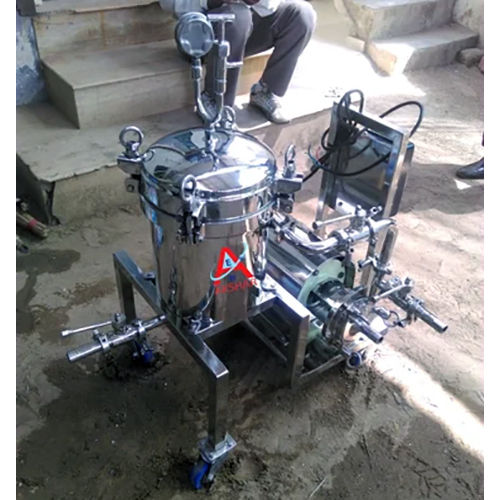 The pharmaceutical industry relies on high-quality equipment and processes to ensure the production of secure and reliable medications. Among the various machines used in this industry, solid-liquid separation technologies, play a crucial role in solid-liquid separation, enabling manufacturers to obtain high-purity products. In this article, we will examine the applications of filter press in the pharmaceutical industry through a comprehensive examination.
Filter press machines are widely used in the pharmaceutical industry due to their ability to handle a variety of applications, including treatment of drugs, processing of pharmaceuticals, and treatment of chemical waste. These machines are capable of processing a wide range of chemicals and biological substances, from thick, gooey substances to dilute solutions. The primary function of a filter press is to separate liquids from solids by applying pressure to the material being filtered, allowing the liquid to pass through the filter plates and the solid particles to remain trapped.
In the case of a reputable manufacturer, filter presses were implemented to process medicinal vesicles for use in clinical trials. Bioactive liposomes are tiny, intricately structured capsules, composed of substances that trap tiny particles, including pharmaceuticals, vitamins, and microelements. These liposomes have unique properties that allow them to cross cell membranes, and dissolve into the surrounding environment, making them useful in a variety of medical applications.
The pharmaceutical company utilized a plate and frame filter press for the production of these bioactive liposomes. The filter press was designed to operate at high pressures, up to 100 kg/cm2, to force the liquid through the filter, from the liquid components. The use of a filter press enabled the company to achieve uniform particle distribution, and efficient production rates, which are critical factors in the production of bioactive liposomes.
The filter press was also used for the recycling of by-products in the pharmaceutical company's production facility. A recycling stream containing process chemicals and diluted contaminants was fed into the filter press, where it was separated into its liquid and solid components. The use of the filter press enabled the company to separate the liquid and solid components, and extract precious substances, which in turn reduced production costs, and negative effects on the environment.
The implementation of filter press applications in the pharmaceutical industry has numerous benefits, including increased product purity, increased efficiency, and lowered expenses. The machines are capable of handling a wide range of applications, making them useful in different manufacturing contexts, from small-scale pilot projects to large-scale commercial production. In addition, filter presses can be quickly integrated into existing facilities, minimizing downtime, and reducing the need for capital expenditures.
In conclusion, filter press applications have a wide range of uses in the pharmaceutical industry, including solid-liquid separation, recycling of by-products, and manufacturing of substances. Our case study demonstrates the effectiveness of automatic filter press manufacturers in india presses in achieving high-quality products while saving the company money, and environmental impact on the environment.
댓글목록
등록된 댓글이 없습니다.