The Best Woodburning Stove Tricks For Changing Your Life
페이지 정보
작성자 Amelia 작성일24-11-28 18:08 조회12회 댓글0건관련링크
본문
How to Properly Operate a Woodburning Stove
Wood stoves are a cozy and inexpensive way to heat your home. However, the smoke they produce can be harmful to your health. It is essential to understand how these appliances function and how to use them properly.
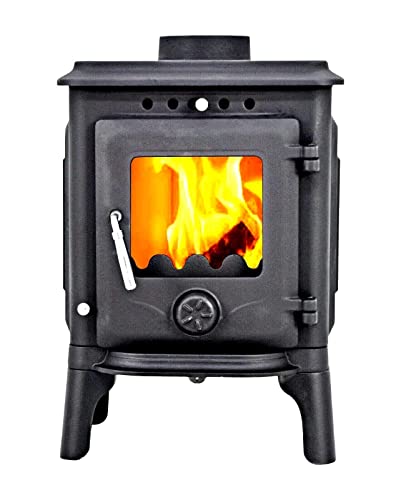 Many modern stoves rely upon secondary combustion or catalytic to reduce their emissions. Older stoves and open flames emit large amounts of particulates.
The firebox
The firebox is the heart of any fireplace system. It's where you create a fire to heat your home and provide ambiance. It's a simple concept, but there are many important details that must be accounted for to keep your wood burning stove safe and efficient.
The firebox is thought of as an open-air combustion chamber with walls and a lid. The majority of fireplaces come with a prefabricated metal or masonry fireboxes. The type of firebox you pick will depend on your preference and the type of fireplace you have.
The majority of wood-burning stoves utilize an air flow that is constant to generate the flame and burn the fuel. Fresh air is drawn into the stove through adjustable dampers that are located within the doors of the stove. This lets the fuels burn correctly, and also reduces the toxic gases that are produced by incomplete or unburnt combustion. The exhaust gases are taken up by the chimney, and safely out of your home.
Modern stoves with catalytic secondary combustion employ a special catalyst that reburns unburned gases to create additional warmth. This produces a cleaner and less polluting exhaust than traditional wood stoves with no secondary combustion. Modern non-catalytic stoves are available, but they're typically less efficient than stoves with secondary combustion catalytically.
Certain fireplaces that burn wood have backboilers that can be used for space heating and water heating. These are referred to as "combination" or "hybrid" stoves and have been in use since the beginning of the 20th century.
Wood burning stoves can only be operated with seasoned top wood burning stoves. Freshly cut wood (green) has a high water content. This could lead to low flue temperatures, as well as excessive creosote accumulation within the chimney. This can cause chimney fires that destroy the stove, and they could be harmful to your family's health.
If you're looking for an expert who can examine your wood-burning stove or do repairs to your firebox, make sure that the chimney professional you hire is certified by the CSIA certification and provides reviews from customers on their website. You can inquire about their prices and the kind of work they perform.
The ventilation pipe
Wood stoves require ventilation to remove the smoke from the combustion process and keep your home warm and healthy. Ventilation helps remove carbon monoxide, nitrogen dioxide, and excess moisture from the combustion process. It also helps to reduce the impact of air pollution and heat loss to the outdoor. wood burner fireplace ideas, gas and pellet stoves have different requirements for venting. It is essential to maintain the stove's venting system on an annually to ensure safety and efficiency.
The ventilation system consists of the firebox and the ventilation pipe. The chimney and the ventilation pipe work together to create draft, drawing smoke from the stove through the fireplace to outside air. The differences in densities and temperature between the hot wood smoke and cold outside air creates draft. The higher the temperature, the more smoke will rise through the vent pipe and chimney.
Most modern wood stoves are certified by the EPA as low-emission units. This means they emit less pollutants than older models, which contribute to global warming as well as other environmental concerns. Modern stoves are equipped with pollution control systems that limit the amount of emissions while ensuring that they are burned efficiently.
Older stoves with open flues emit much more carbon dioxide, poisonous gas that should not be allowed to escape into your home. This can happen if your chimney is not properly maintained or there is insufficient ventilation. It is crucial to install carbon monoxide detectors into your home.
Before installing a brand new or used wood burning stoves wood stove, determine the distance between the place where the stove is placed on the floor to the chimney opening in the wall or ceiling. Divide this measurement by two to calculate the length of stovepipe that you require. You can use either single-wall or a double-wall stovepipe but you must ensure proper clearance from the combustibles.
When the stove first starts to burn then adjust the air vent until a stable flame has been established and combustion is stable. It is recommended to avoid using wood briquettes in the stove, because they are not logs, and can contain volatile chemicals that could cause the air vent to malfunction and cause a hazardous situation.
The chimney
The chimney is a complicated system which requires attention and care. The chimney is composed of a variety of components that are essential to the safety and efficiency of your stove.
The combustion gases are emitted outwards through the firebox, the vent pipe and the chimney. This is essential to reduce carbon dioxide levels and to prevent harmful emissions. To achieve this the chimney and flue need to be hot enough to carry the gases out of the fireplace, without cooling. This can be achieved by using a wood-burning stove that produces a large amount of heat, and by adding new logs frequently to the fire.
The majority of modern woodburning stoves are designed with a chimney that is taller than older models to achieve a better draft effect. However, this could have disadvantages when the size of your chimney is greater than the maximum permitted for your particular location. In this scenario the chimney could be competing with the stack of your house for airflow, causing the gases to cool down before leaving. This can result in a decrease in the flow of gas, and a buildup on creosote.
The most common error homeowners make is to open the fireplace door and close it too often. This can negatively affect the combustion. It is crucial to keep the door of your fireplace as closed as possible, and only open it to add ash or firewood. If you leave the door open for too long can allow the hot air to escape from the stove, which causes the logs to cool and harder to light. It also releases unburned volatile compounds into the room.
Another mistake that many make is to use different kinds of combustibles inside their woodburning stoves. This could cause more emissions or even a chimney fire. The truth is that best woodburning stoves for sale stove [This Webpage] stoves were designed and optimised to burn firewood, not other types of combustibles.
The flu
A woodburning stove requires a properly size flue to permit adequate air flow and draft development. Usually, the size of the flue should be at 25 percent greater than the stove pipe (which connects the stove to the chimney) to allow enough space for smoke passage. A wood stove must be placed on an uncombustible hearth with a clear space in front of the fireplace's opening.
Modern stoves are equipped with catalytic combustion systems that reduces the amount of harmful byproducts that get released into the chimney. This feature can also help to increase the efficiency of a wood stove by burning a fire that generates more heat and emits less. Utilizing other kinds of combustibles other than firewood however, can cause problems like lower efficiency and more emission levels.
It is important to use seasoned or dry wood when you are burning wood burners in your stove or fireplace. If your wood is not dry or seasoned it will release high levels of creosote and water vapour into the chimney. This can lead to low flue temperatures and a chimney fire.
Another way to prevent the possibility of a chimney fire is to have a professional inspect and clean your flue system regularly. This includes the stovepipe, the chimney and the chimney itself.
A unclean stove and flue system can lead to an unclean chimney draft that could result in carbon monoxide being released into your home. This could be harmful to your family and you shouldn't let it happen.
A good rule is to ensure that your stove and chimney are swept by a professional every year. This will help keep the chimney and stove working efficiently.
Wood stoves are a cozy and inexpensive way to heat your home. However, the smoke they produce can be harmful to your health. It is essential to understand how these appliances function and how to use them properly.
Many modern stoves rely upon secondary combustion or catalytic to reduce their emissions. Older stoves and open flames emit large amounts of particulates.The firebox
The firebox is the heart of any fireplace system. It's where you create a fire to heat your home and provide ambiance. It's a simple concept, but there are many important details that must be accounted for to keep your wood burning stove safe and efficient.
The firebox is thought of as an open-air combustion chamber with walls and a lid. The majority of fireplaces come with a prefabricated metal or masonry fireboxes. The type of firebox you pick will depend on your preference and the type of fireplace you have.
The majority of wood-burning stoves utilize an air flow that is constant to generate the flame and burn the fuel. Fresh air is drawn into the stove through adjustable dampers that are located within the doors of the stove. This lets the fuels burn correctly, and also reduces the toxic gases that are produced by incomplete or unburnt combustion. The exhaust gases are taken up by the chimney, and safely out of your home.
Modern stoves with catalytic secondary combustion employ a special catalyst that reburns unburned gases to create additional warmth. This produces a cleaner and less polluting exhaust than traditional wood stoves with no secondary combustion. Modern non-catalytic stoves are available, but they're typically less efficient than stoves with secondary combustion catalytically.
Certain fireplaces that burn wood have backboilers that can be used for space heating and water heating. These are referred to as "combination" or "hybrid" stoves and have been in use since the beginning of the 20th century.
Wood burning stoves can only be operated with seasoned top wood burning stoves. Freshly cut wood (green) has a high water content. This could lead to low flue temperatures, as well as excessive creosote accumulation within the chimney. This can cause chimney fires that destroy the stove, and they could be harmful to your family's health.
If you're looking for an expert who can examine your wood-burning stove or do repairs to your firebox, make sure that the chimney professional you hire is certified by the CSIA certification and provides reviews from customers on their website. You can inquire about their prices and the kind of work they perform.
The ventilation pipe
Wood stoves require ventilation to remove the smoke from the combustion process and keep your home warm and healthy. Ventilation helps remove carbon monoxide, nitrogen dioxide, and excess moisture from the combustion process. It also helps to reduce the impact of air pollution and heat loss to the outdoor. wood burner fireplace ideas, gas and pellet stoves have different requirements for venting. It is essential to maintain the stove's venting system on an annually to ensure safety and efficiency.
The ventilation system consists of the firebox and the ventilation pipe. The chimney and the ventilation pipe work together to create draft, drawing smoke from the stove through the fireplace to outside air. The differences in densities and temperature between the hot wood smoke and cold outside air creates draft. The higher the temperature, the more smoke will rise through the vent pipe and chimney.
Most modern wood stoves are certified by the EPA as low-emission units. This means they emit less pollutants than older models, which contribute to global warming as well as other environmental concerns. Modern stoves are equipped with pollution control systems that limit the amount of emissions while ensuring that they are burned efficiently.
Older stoves with open flues emit much more carbon dioxide, poisonous gas that should not be allowed to escape into your home. This can happen if your chimney is not properly maintained or there is insufficient ventilation. It is crucial to install carbon monoxide detectors into your home.
Before installing a brand new or used wood burning stoves wood stove, determine the distance between the place where the stove is placed on the floor to the chimney opening in the wall or ceiling. Divide this measurement by two to calculate the length of stovepipe that you require. You can use either single-wall or a double-wall stovepipe but you must ensure proper clearance from the combustibles.
When the stove first starts to burn then adjust the air vent until a stable flame has been established and combustion is stable. It is recommended to avoid using wood briquettes in the stove, because they are not logs, and can contain volatile chemicals that could cause the air vent to malfunction and cause a hazardous situation.
The chimney
The chimney is a complicated system which requires attention and care. The chimney is composed of a variety of components that are essential to the safety and efficiency of your stove.
The combustion gases are emitted outwards through the firebox, the vent pipe and the chimney. This is essential to reduce carbon dioxide levels and to prevent harmful emissions. To achieve this the chimney and flue need to be hot enough to carry the gases out of the fireplace, without cooling. This can be achieved by using a wood-burning stove that produces a large amount of heat, and by adding new logs frequently to the fire.
The majority of modern woodburning stoves are designed with a chimney that is taller than older models to achieve a better draft effect. However, this could have disadvantages when the size of your chimney is greater than the maximum permitted for your particular location. In this scenario the chimney could be competing with the stack of your house for airflow, causing the gases to cool down before leaving. This can result in a decrease in the flow of gas, and a buildup on creosote.
The most common error homeowners make is to open the fireplace door and close it too often. This can negatively affect the combustion. It is crucial to keep the door of your fireplace as closed as possible, and only open it to add ash or firewood. If you leave the door open for too long can allow the hot air to escape from the stove, which causes the logs to cool and harder to light. It also releases unburned volatile compounds into the room.
Another mistake that many make is to use different kinds of combustibles inside their woodburning stoves. This could cause more emissions or even a chimney fire. The truth is that best woodburning stoves for sale stove [This Webpage] stoves were designed and optimised to burn firewood, not other types of combustibles.
The flu
A woodburning stove requires a properly size flue to permit adequate air flow and draft development. Usually, the size of the flue should be at 25 percent greater than the stove pipe (which connects the stove to the chimney) to allow enough space for smoke passage. A wood stove must be placed on an uncombustible hearth with a clear space in front of the fireplace's opening.
Modern stoves are equipped with catalytic combustion systems that reduces the amount of harmful byproducts that get released into the chimney. This feature can also help to increase the efficiency of a wood stove by burning a fire that generates more heat and emits less. Utilizing other kinds of combustibles other than firewood however, can cause problems like lower efficiency and more emission levels.
It is important to use seasoned or dry wood when you are burning wood burners in your stove or fireplace. If your wood is not dry or seasoned it will release high levels of creosote and water vapour into the chimney. This can lead to low flue temperatures and a chimney fire.
Another way to prevent the possibility of a chimney fire is to have a professional inspect and clean your flue system regularly. This includes the stovepipe, the chimney and the chimney itself.
A unclean stove and flue system can lead to an unclean chimney draft that could result in carbon monoxide being released into your home. This could be harmful to your family and you shouldn't let it happen.
A good rule is to ensure that your stove and chimney are swept by a professional every year. This will help keep the chimney and stove working efficiently.
댓글목록
등록된 댓글이 없습니다.