The Origins and Modern Advancements of Industrial Chain Systems
페이지 정보
작성자 Alena 작성일25-12-17 22:20 조회2회 댓글0건관련링크
본문
The backbone of industrial machinery, chains have been indispensable to the evolution of production and logistics
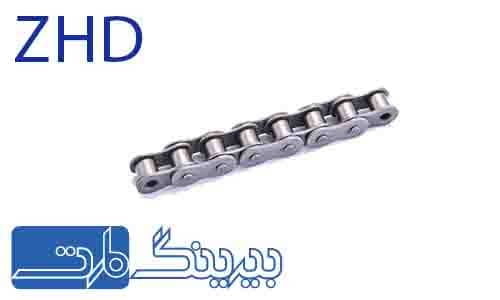
Their origins trace back to ancient civilizations where simple link systems were used in water wheels and lifting devices
The transformative era of the 1700s and 1800s marked the shift from rudimentary links to purpose-built industrial components
As factories emerged and machinery became more complex, the need for reliable power transmission grew
The first industrial chains, crafted from hand-forged iron, powered looms and boiler systems by transmitting rotational force
By the mid 1800s, advancements in metallurgy allowed for stronger and more durable steel chains
Standardization was the key to scaling chain production and integrating them into diverse industrial applications
Customized chain variants emerged to meet the unique demands of evolving industries
The invention of the roller chain in the 1880s by Hans Renold marked a turning point
This design reduced friction and wear significantly, making chains more efficient and longer lasting
As assembly lines became the norm, chains became central to synchronized production workflows
The automotive industry became one of the largest consumers of chains, using them in timing systems, transmission units, and assembly lines
Their robustness made them ideal for harsh, high-stress environments
Engineers began experimenting with new materials like stainless steel, nylon coatings, and heat treated alloys to improve resistance to corrosion, extreme temperatures, and heavy loads
Custom chains could now be tailored for niche applications with micron-level accuracy
Chains became quieter, lighter, and more energy efficient
Self-lubricating bushings, oil-impregnated pins, and sealed cartridge bearings became standard features
Today, industrial chains are found in nearly every sector قیمت خرید زنجیر صنعتی of manufacturing, from food processing to aerospace, and even in renewable energy systems like wind turbines where they help control blade pitch and gear alignment
The next generation of chains is no longer passive components but active, intelligent systems
Integrated microelectronics track tension, temperature, and deformation in real time, sending alerts via IoT networks
These designs offer superior performance with reduced weight and material usage
As industries strive for greater efficiency and sustainability, industrial chains remain a fundamental component—quietly enduring, constantly improving, and essential to the machinery that keeps the modern world running
댓글목록
등록된 댓글이 없습니다.