Choosing Long-Lasting Yarn: Key Factors to Consider
페이지 정보
작성자 Hunter Huang 작성일25-12-15 13:28 조회2회 댓글0건관련링크
본문
When selecting yarn for a project, durability is just as important as appearance or softness. Different yarn types respond uniquely to friction, laundering, and wear, so learning to judge their endurance improves your outcomes for clothing, household items, or projects designed for heavy use.
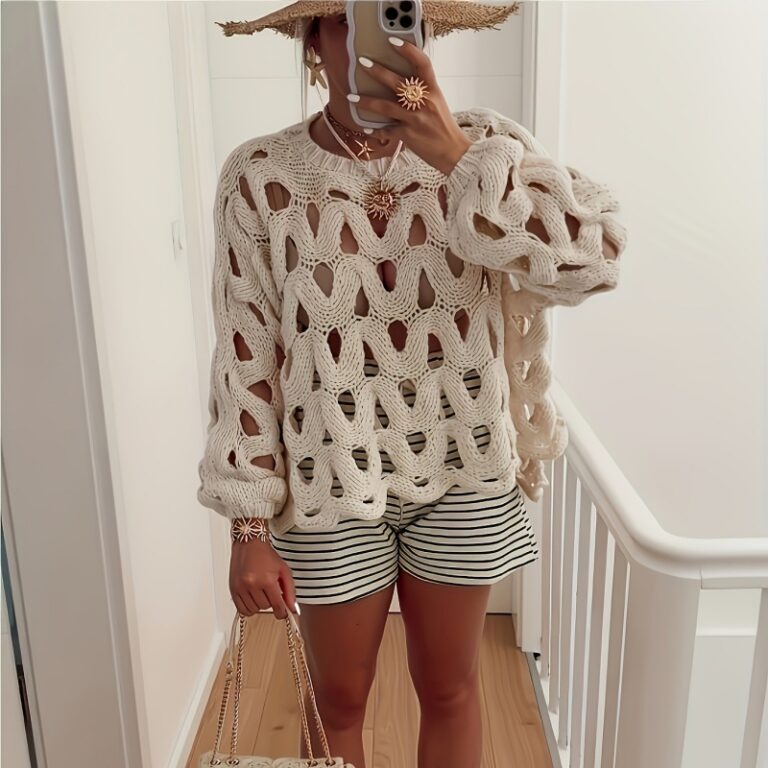
Start by looking at the fiber source. Natural fibers like wool and silk have different strengths. Wool is naturally elastic and resilient, making it able to bounce back after compression. It also has natural oils that help repel dirt and moisture, adding to its endurance. Silk, while robust, is more delicate and can weaken with prolonged exposure to sunlight or moisture.
Synthetic fibers such as acrylic, nylon, and polyester are often engineered for strength and resistance to wear. Nylon, for example, is famous for its unyielding structure and is commonly used in socks and sportswear because it survives frequent laundering without degradation. Polyester resists shrinking and fading, making it ideal for items exposed to sunlight or site frequent laundering. Acrylic is polyester, but still holds up better against biological decay.
Blended yarns combine the best qualities of different fibers. A a wool-nylon composite offers softness paired with resilience, making it excellent for socks or gloves. When evaluating a blend, check the percentage of each fiber, as a higher percentage of synthetic fiber usually means greater durability, but too much synthetic can reduce breathability and comfort.
Another way to assess durability is to conduct a manual strength evaluation. Apply steady pressure to a short length. If it elongates then returns to original length, it likely has good elasticity and resilience. If it stretches without returning to its original shape, it may collapse under repeated stress. You can also rub the yarn between your fingers to feel for fuzziness or lint development. A firmly twisted fibers endure longer than a loosely spun or fluffy one.
Testing through washing reveals hidden weaknesses. Wash a small swatch of the yarn according to the care instructions and allow it to dry naturally. Look for signs of dimensional change, fiber balls, or dye loss. A yarn that stays intact without fading or distorting is likely to endure long-term wear.
Consider the project’s functional demands. A blanket that will be washed often needs a more durable yarn than a decorative pillow. Items worn close to the skin or subjected to friction, like socks or sweaters benefit from yarns with superior surface durability. For external applications, protection from elements and humidity is vital.
Finally, review product specifications. Established companies disclose composition, usage guidelines, and longevity metrics. Customer reviews can also offer real world insights into how a yarn performs over time.
By combining fiber knowledge, physical testing, and practical considerations, you can accurately assess the durability of different yarn types and choose the right one for your needs.
댓글목록
등록된 댓글이 없습니다.