The Economics of Large-Scale Sweater Production
페이지 정보
작성자 Isobel 작성일25-12-15 20:06 조회1회 댓글0건관련링크
본문
Mass manufacturing of knitwear is a intricate balance of workforce dynamics, raw inputs, automation, and international logistics. At its core, the economics of making sweaters in bulk revolves around optimizing unit cost through mass output. When factories produce tens of thousands to millions of garments, the individual item cost shrinks dramatically. This happens because overhead investments such as knitting machines, warehouse space, and R&D are allocated across vast production runs. The greater the output, the lower its share of fixed costs.
Raw materials play a major role in pricing. Natural fibers like merino, organic cotton, synthetic acrylics, and hybrid yarns each have distinct market dynamics and sourcing challenges. Wool from specific regions like Australia or New Zealand can be priced higher due to ethical farming standards and freight logistics, while synthetic fibers are often cheaper and more consistent in supply. Oil price swings impacting acrylic and polyester costs can trigger cascading expense increases. Factories must analyze raw material trends and negotiate forward-purchase deals to avoid sudden price spikes.
Manual work still drives final output, even in technologically advanced factories. While machines can knit entire garment panels, detail work including stitching, trimming, and defect screening still require trained operators. Countries with cost-competitive manufacturing hubs in Southeast Asia and Latin America have become hubs for sweater manufacturing because they offer a readily available skilled textile workers. However, minimum pay standards are climbing and pressure from human rights advocates are pushing some brands to invest in Fair Trade or B Corp certification, which increases the final price.
Technology has transformed production efficiency. CAD-integrated knitting systems can now generate one-piece designs that eliminate stitching. This lowers fabric consumption and assembly hours. These machines are costly to acquire and service, but they justify their cost via long-term savings through higher output and lower defect rates. Brands that embrace digital manufacturing can produce faster, respond quickly to fashion trends, and reduce inventory risk.
Shipping and transport are critical cost drivers. Shipping raw materials to factories and finished goods to retailers involves layered freight networks. Tariffs, fuel prices, and port delays can all create unpredictable expense buffers. Some companies choose to produce closer to their main markets to reduce shipping times and costs, even if operating costs rise, because faster turnaround means less inventory sitting in warehouses.
The final sticker price hides a complex markup.
A OEM children knitted sweater that costs $5 to produce might command $75–$150 retail. The spread supports promotion, wholesale margins, and corporate earnings. Mass-market retailers keep prices low by churning out thousands of SKUs weekly, while Heritage labels charge more for artisanal value, limited runs, and historical prestige.
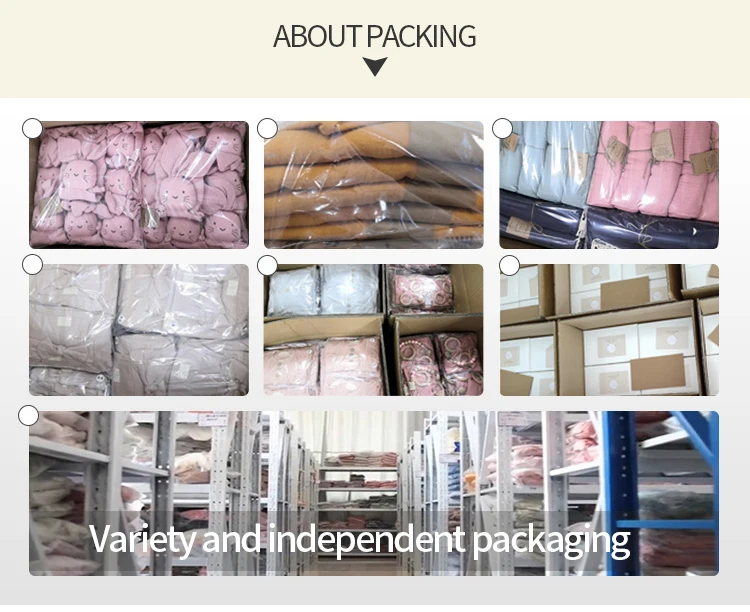
Regulatory and consumer demands for green practices are increasingly influencing production economics. Buyers and regulators are pushing for sustainable methods—recycled fibers, waterless dyeing, reduced packaging. These changes often temporarily erode margins, but they can also open new markets and build brand loyalty. Companies that adapt early may secure market leadership.
Ultimately, Mass-produced knitwear is not just about creating apparel. It’s a balancing act between economies of scale, craftsmanship, social accountability, and retail velocity. The most successful producers are those who understand all these elements and adjust their strategies as global conditions change.
댓글목록
등록된 댓글이 없습니다.